How we reviewed this: this is a research-based review. We did not buy or test the product ourselves. We checked the official website, policies and independent customer feedback, and every fact below links to its source. Facts checked 2026-10-31. How we review · Affiliate disclosure: we may earn a commission if you buy through our links, at no extra cost to you.
Quick verdict
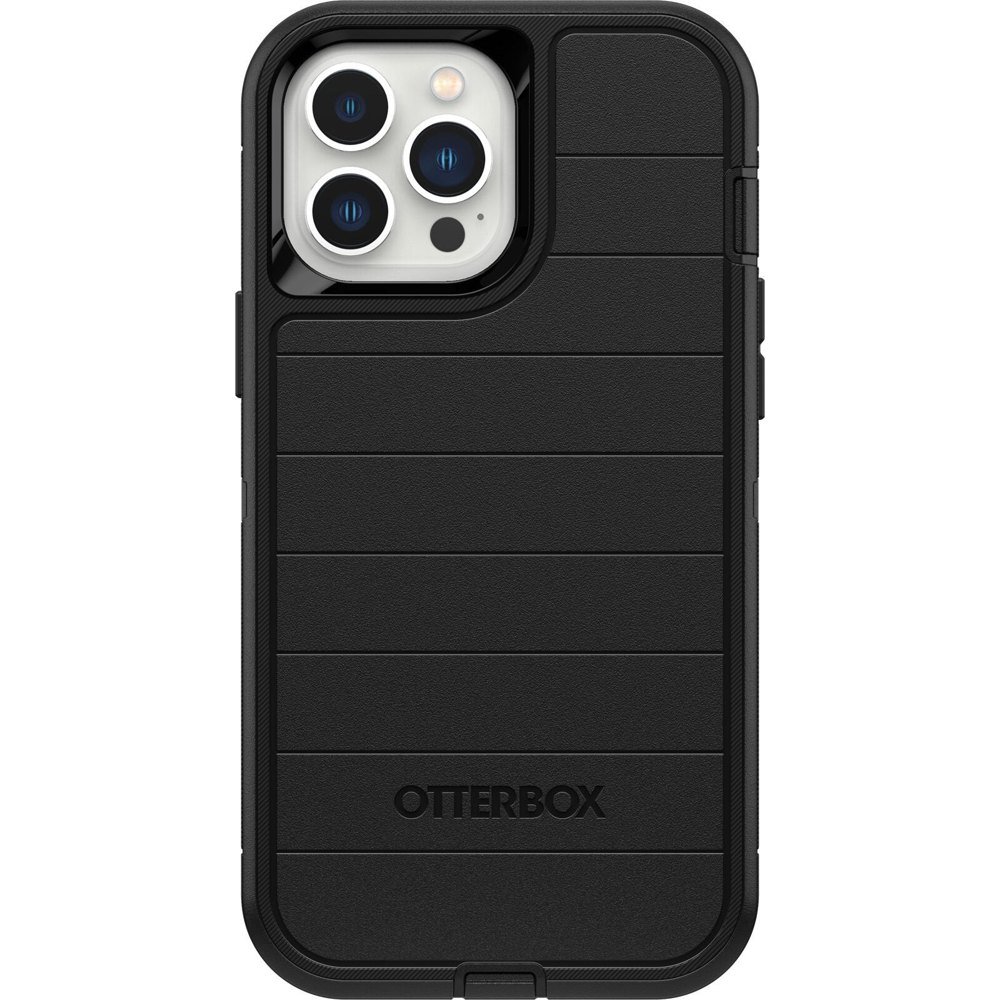
OtterBox is still one of the most trusted phone case brands, with three main lines from slim to rugged, all $49.99 to $69.99 for current iPhones and Galaxy phones. The Defender Series Pro ($69.99) is the rugged flagship: three layers, port covers, MagSafe magnets and OtterBox’s 7X military-standard rating. Tom’s Guide picked the clear Defender Pro XT as its “Best drop protection” case, and Macworld rated the Defender Pro’s protection level “Super.” Trustpilot shows 4.4 from 113,774 reviews, and OtterBox is BBB A+.
The honest part: the “lifetime” warranty isn’t lifetime anymore. OtterBox’s current policy covers cases released on or after September 1, 2026 for 2 years (3 years for cases released June 2025 to August 2026, and 7 years for older cases), even if the box says “limited lifetime warranty.” Every claim costs a shipping and handling fee, your phone is never covered, and a class action over denied warranty claims is pending.
Our picks: Defender Pro for maximum protection, Commuter for most people, and Symmetry if you want thin and light.
Pros
- ✓ Three clear choices: Symmetry (slim), Commuter (middle), Defender Pro (rugged)
- ✓ $49.99 to $69.99 for current iPhone and Galaxy flagships
- ✓ Published in-house drop testing plus 24+ other tests
- ✓ MagSafe built into current iPhone cases
- ✓ Tom’s Guide “Best drop protection” (Defender Pro XT); Macworld “Super” protection (Defender Pro)
- ✓ BBB A+ (accredited since 2005); Trustpilot 4.4 from 113,774 reviews
Cons
- ✗ “Lifetime” warranty is now 2 years for cases released from September 2026
- ✗ Warranty claims cost a shipping and handling fee (about $13.70 in one complaint)
- ✗ Never covers damage to your phone; cosmetic damage excluded
- ✗ Pending class action alleging denied warranty claims
- ✗ “7X military standard” is still drops from 4 feet
- ✗ Returns: 30 days, unused, $8 return label deducted; no screen protector included
See the OtterBox Defender Series →
Defender vs Commuter vs Symmetry
| Line | Price (current flagships) | Drop rating (OtterBox) | Build | Best for |
|---|---|---|---|---|
| Symmetry | $49.99 | 3X military standard | Thin one-piece, 37 g, no port covers | Slim, everyday |
| Commuter | $49.99 | 3X military standard | Two layers, port covers, 52 g | Most people |
| Defender Pro | $69.99 | 7X military standard | Three layers, port covers | Jobsites, kids, outdoors |
| Defender Pro XT (clear) | $59.99 sale ($69.99) | 7X military standard | Clear rugged | Tom’s Guide Best drop protection |
Prices for the iPhone 18 Pro Max and Galaxy S26 Ultra on otterbox.com, October 31, 2026. OtterBox’s 7X rating means 26 drops from 4 feet, repeated 7 times (182 drops); 3X is the same test repeated 3 times. Speck, by comparison, advertises 13-foot drop protection on its Presidio2 Pro.
OtterBox Commuter vs Symmetry
Both cost $49.99 and carry the same 3X rating. The Commuter has two layers and port covers that keep out pocket lint, at 52 g and 0.64 in thick. The Symmetry is a single thinner shell, 37 g and 0.60 in, with no port covers, and comes in more styles. Choose Commuter for a bit more protection, Symmetry for less bulk.
See the OtterBox Commuter Series →
See the OtterBox Symmetry Series →
The OtterBox warranty, explained
- Cases released before June 1, 2025: “lifetime,” which OtterBox defines as 7 years.
- Cases released June 1, 2025 to August 31, 2026: 3 years.
- Cases released on or after September 1, 2026: 2 years.
- What it covers: manufacturing defects in the case. It excludes cosmetic damage and broken plastic that isn’t a defect, and OtterBox says it is “NOT LIABLE UNDER ANY CIRCUMSTANCES” for damage to your device.
- The fee: every claim requires a shipping and handling fee. OtterBox doesn’t publish the amount; a September 2026 BBB complaint cites $13.70, and a Trustpilot reviewer said it was over $14.
- How to claim: no registration needed. File online at otterbox.com/pages/warranty (or call 1-855-688-7269) within 60 days after the warranty period ends. It’s a photo inspection with your phone’s camera, one item per claim, and you may need a dated receipt or to send the case back.
The lawsuit: in Button v. Otter Products (U.S. District Court for Colorado, 1:25-cv-00969), buyers allege OtterBox denied valid warranty claims. It was pending when we checked, with no ruling or settlement found.
OtterBox vs Spigen, Speck, Mous and Casetify
| Brand | Example case | Price | Warranty |
|---|---|---|---|
| OtterBox | Defender Pro | $69.99 | 2 years (cases released from Sep 2026) |
| Speck | Presidio2 Pro | $49.99 | Lifetime of product |
| Mous | Limitless | $69.99 | 25-year limited |
| Spigen | Tough Armor T | $59.99 | 2 years |
| Casetify | Bounce | $74 | 6 to 24 months (membership tier) |
| Apple | Silicone Case | $49 | Not checked |
Prices and warranties from each brand’s own site (Casetify’s price from a search snapshot). On warranty alone, Speck and Mous now beat OtterBox. OtterBox’s edge is its long track record, drop-testing program and the Defender’s port-covered rugged design.
Returns and screen protection
- Returns: 30 days for unused products; an $8 US return label is deducted from your refund, and original shipping isn’t refunded.
- Screen protection: the Defender Pro doesn’t include a screen protector. OtterBox Glass costs $39.99 extra.
- Statement Series: no longer offered for current phones (its collection page returned a 404); the Symmetry Cactus Leather ($59.99) is the closest replacement.
Is OtterBox worth it?
- Yes, if: you want a proven rugged case (Defender Pro) or a well-made everyday case at a fair price, and you buy from OtterBox or an authorized retailer.
- Maybe not, if: the warranty is why you’d pay more. Speck and Mous now offer longer coverage, and OtterBox claims cost a fee.
FAQ
Is the OtterBox warranty still lifetime?
Not for new cases. OtterBox’s current policy gives 2 years for cases released on or after September 1, 2026, 3 years for cases released June 2025 to August 2026, and 7 years (its definition of lifetime) for cases released before June 2025.
Does the OtterBox warranty cover my phone?
No. OtterBox’s policy says it is not liable under any circumstances for damage to your device. It covers manufacturing defects in the case only, and excludes cosmetic damage.
Is there a fee for an OtterBox warranty claim?
Yes. OtterBox charges a shipping and handling fee on every claim but doesn’t publish the amount; one September 2026 BBB complaint cites $13.70.
OtterBox Commuter vs Symmetry: which should I get?
Both are $49.99 with the same 3X drop rating. Commuter has two layers and port covers (52 g); Symmetry is thinner and lighter (37 g) with no port covers.
Is the OtterBox Defender worth it?
If you need maximum protection, yes: the Defender Pro has three layers, port covers and OtterBox’s 7X rating, and Tom’s Guide picked the Defender Pro XT for drop protection. It’s bulkier and doesn’t include a screen protector.
OtterBox vs Spigen: which is better?
OtterBox Defender Pro ($69.99) offers port covers and a long drop-testing program; Spigen Tough Armor T ($59.99) is a bit cheaper. Both now have 2-year warranties for new cases.
What does 7X military standard mean?
OtterBox’s test repeats the military-standard set of 26 drops from 4 feet seven times, for 182 drops. It’s still a 4-foot drop height.
Can I return an OtterBox case?
Within 30 days if unused. An $8 return label is deducted from your refund and original shipping isn’t refunded.
Sources
- OtterBox Defender Series (official)
- OtterBox Commuter Series (official)
- OtterBox Symmetry Series (official)
- OtterBox warranty policy (current)
- OtterBox Drop+ testing
- Tom’s Guide: best iPhone 17 Pro Max cases
- Macworld: best iPhone 17 cases
- BizWest: consumers sue OtterBox over warranty
- Truth in Advertising: OtterBox warranties class action
- BBB: Otter Products
- Trustpilot: OtterBox
- Speck warranty
- Speck Presidio2 Pro
- Mous warranty
- Spigen warranty
- Casetify product warranty